
SCQF ACCREDITED Data programme for neurodivergent women.

Why this programme was needed
Women make up 21% of UK tech teams
1 in 3 women are planning to leave their tech roles
21% of data centres have zero women in tech
Only 3% of tech staff are neurodivergent
Neurodivergence in UK population is estimated at: 15–20%
Just 25% feel neurodiversity is celebrated within their organisations
Progress tracking for neurodivergent and disabled staff is limited
Diversity in UK Tech - UK Government (June 2025)
Partnership Working
The programme was delivered in partnership with Code Division, futureCoders, Bianca Peel Consultancy, and the Data Lab. We were lucky to have “neuro-spicy” individuals co-creating the programme. Frank Duffy (Code Division), Karen Scott (futureCoders), Bianca Peel (NomadAlba/BPCE), and Nuria Fraille-Diaz (Data Lab) led the programme with support from neurodiversity, mentoring and employability experts. Together we designed a flexible, accessible online programme with tailored support, clear pathways, and inclusive tools for neurodiverse learners.
Streamlined Layout & Accessible Fonts
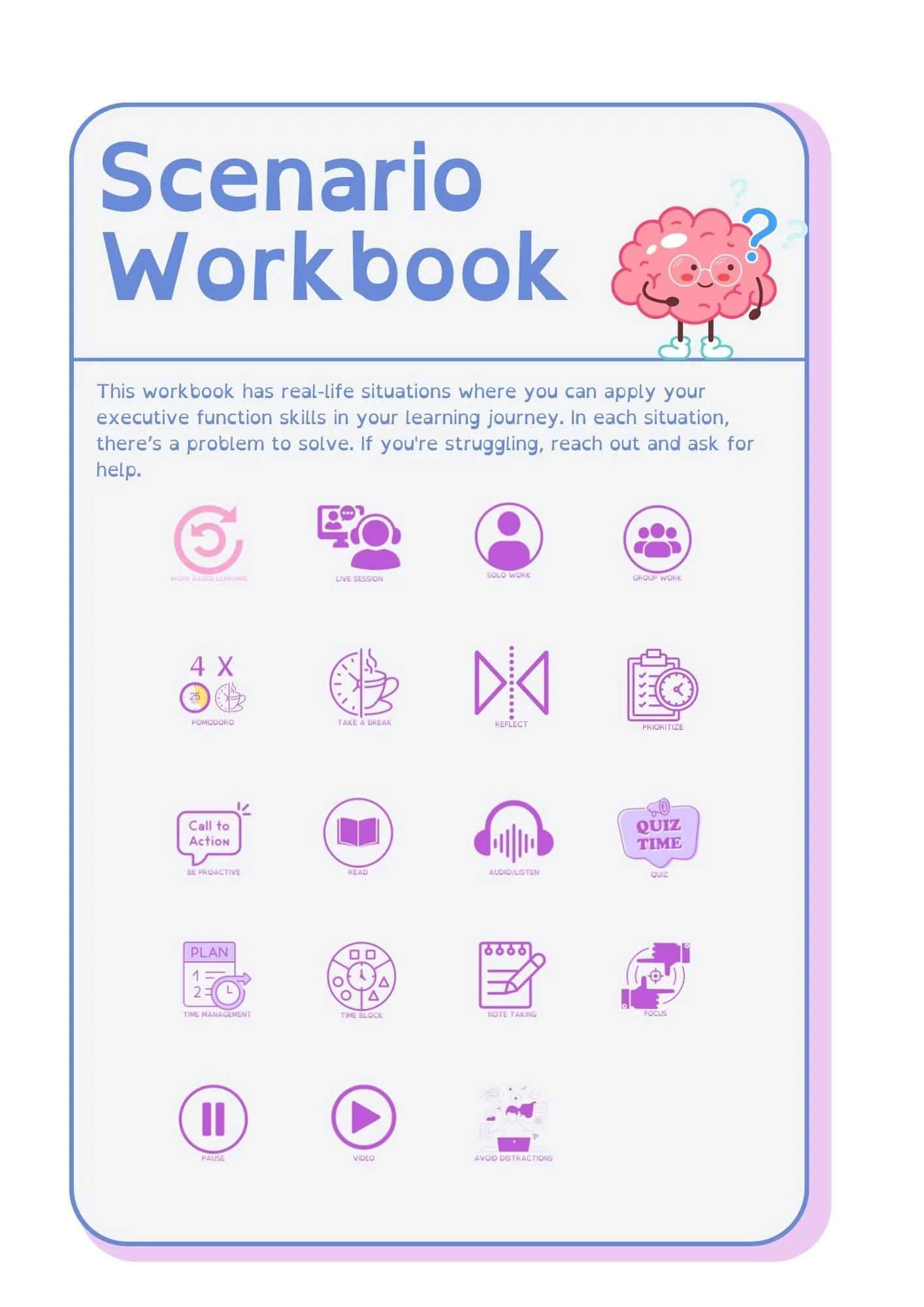
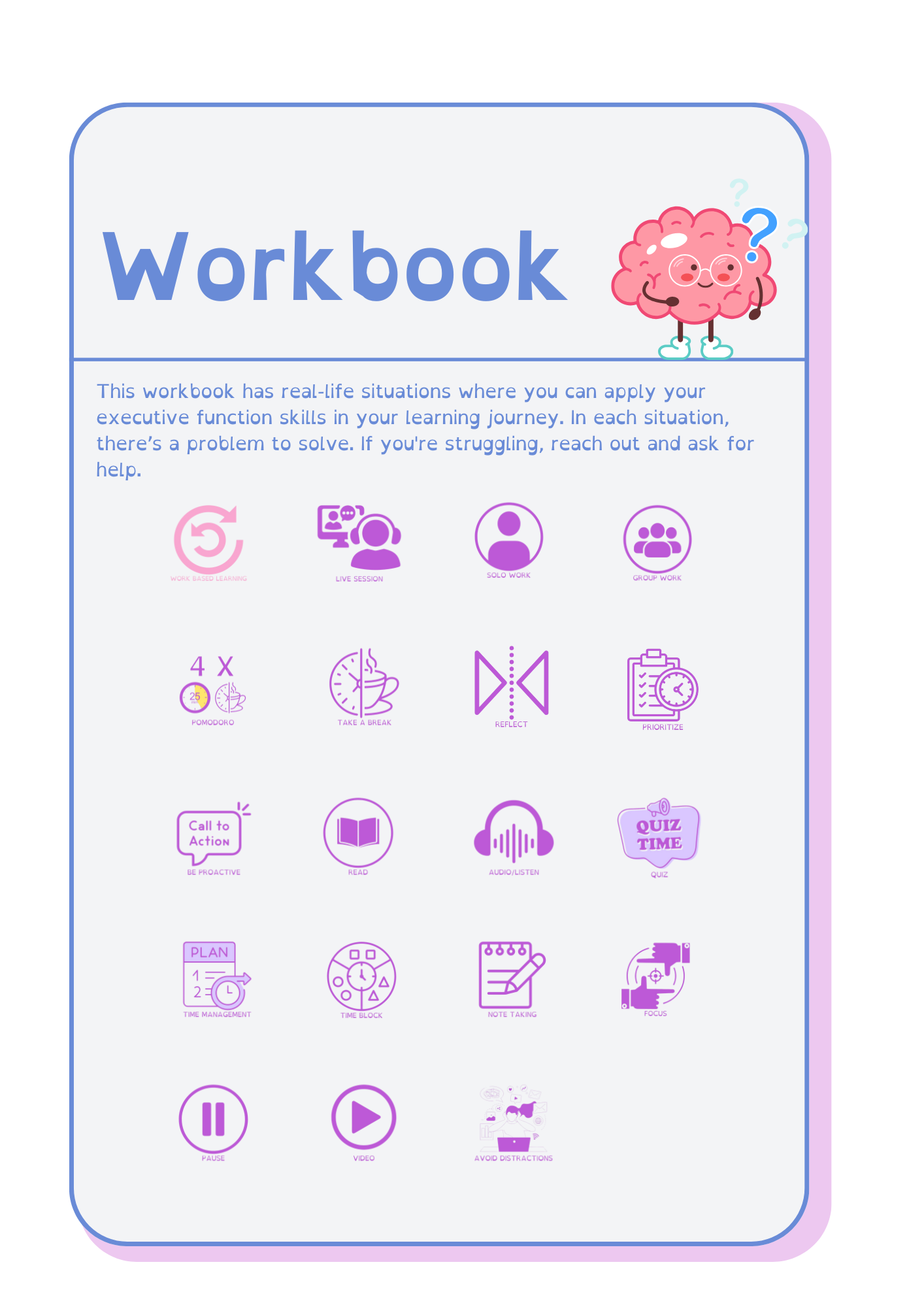
Clear, legible fonts to reduce cognitive load, essential for learners with dyslexia or visual processing challenges.
Simple, uncluttered layout avoids overwhelming neurodiverse learners, making navigation intuitive.
Font and color customization for individual preferences helps learners adjust for maximum comfort.
Structured course flow ensures learners can easily follow the content, reducing anxiety about next steps.
Accessible design principles applied to enhance overall usability, including high contrast and readable sizes.
Inclusive Moodle Features & Plugins
We added in additional features to our programme.
Text-to-Speech plugins (e.g., ReadSpeaker) to support auditory learning.
Gamification elements to engage and motivate through rewards, aiding retention and focus.
Interactive video tools promote active learning and prevent passive watching.
Moodle Accessibility Checker ensures content meets accessibility standards, creating a consistent experience.
Customizable themes and fonts allow learners to tailor visual content for better readability.
Clear Pathways for Progress
In the design we created:
Structured learning pathways with defined milestones guide learners step-by-step.
Regular check-ins to help ensure learners stayed on track and receive timely feedback.
Visual progress indicators (progress bars) to help learners monitor advancement.
Personalising goals provide clear expectations for each learner’s journey.
Self-paced flexibility combined with clear deadlines to reduce stress and enhances focus.
Peer collaboration opportunities help learners stay engaged and motivated
Empowering Real-World Learning
To ensure learners experienced real world learning:
Hands-on Experience: Provided practical skills with Excel, Power BI, Tableau, SQL, and Python for real-world data tasks.
Human Skills Training: Boosted confidence through training in communication, creative thinking, teamwork, and problem-solving.
Real-World Data Projects: Offered authentic experience by tackling challenges solvable through data-driven solutions.
Recruitment Consultant Meetings: Provided professional growth tips to prepare for data roles and enhance career readiness.
Post-Program Support: Offered networking, job preparation, and some learners are now on our Data Gals Mentorship Programme.

Inclusive Support for Neurodiverse Learners
Personalized learning plans to cater to individual strengths and needs.
Catch-up classes and one-on-one mentoring to offer tailored assistance.
Progress monitoring through regular input into e-portfolio to ensure consistent improvement.
6 Month pre-paid SIM cards to ensure accessibility learners through partnership with Good Things Foundation.
Flexible scheduling allowing learners to balance programme commitments with personal commitments.
“I personally gained a lot from the course, with both tech and human skills. I’m extremely grateful to the tutors who’s guidance helped to build my self-confidence and who provided a learning space where I felt I could thrive. Learning in a neurodivergent centred way was a game-changer for me. It’s courses like this that are creating meaningful change by empowering neurodivergent women to enter into a field that needs diverse voices more than ever.” - Katherine