
Women and Future Skills 2025 - 26
Can everyone just take a pause and BREATHE….yes. The world we live in feels like it’s in constant change — technology advancing, work-structures evolving, global challenges intensifying. So it goes without saying that the way we learn and develop skills must evolve too. That’s exactly the mission behind the first “Skills for Good” “Women and Future Skills” initiative co-designed by NomadAlba, a Scotland-based remote learning design and development organisation, Code Division, A social enterprise addressing the digital and data skills gap and The Data Gals, a data and AI reruitment and mentorship trailblazer.
Here’s our take on why this is significant, what the programme offers, and why it might matter to you.
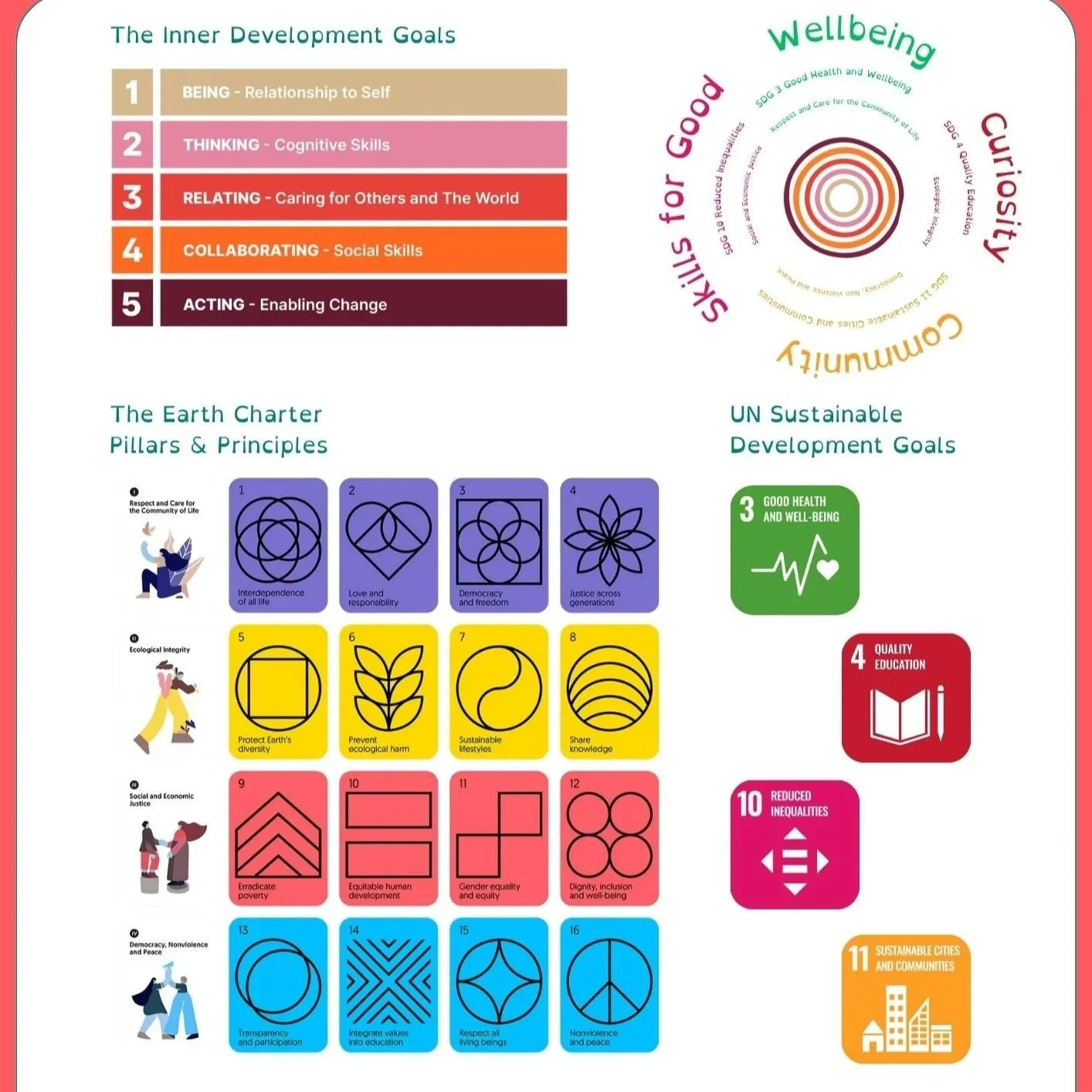
Women and Future Skills Global Goals Alignment 2025
Why “Skills for Good” matters
The programme emphasises mind-set and adaptability, not just technical training. As NomadAlba says: "We’re not changing how people work, we’re changing how they think and learn."
It aligns with major global frameworks such as the World Economic Forum’s Future of Jobs Report (2025) by focusing on emerging skills like Data & AI, Technological Literacy, Creative Thinking, Resilience, Flexibility & Agility, and Curiosity & Lifelong Learning.
It also links to the Inner Development Goals, the Earth Charter Initiative, and the United Nations’ Sustainable Development Goals (SDGs) — making this more than a career programme; it’s a socially-and-holistically minded learning journey.
The remote & flexible format reflects the increasingly mobile, distributed nature of work — particularly relevant for places in Scotland, and people who may be looking for flexible learning around other commitments.
What the programme offered
The Women and Future Skills programme offering includes:
Co-Designed
A 22-week programme including structured six-month mentorship through The Data Gals by industry mentors.
A component of self-paced learning plus evening workshops and Saturday group sessions (both online and in-person) through the generous sponsorship by SpatialChat.
A Community Group Project — meaning learners will not only absorb content, but apply it with others in a project-based way.
The programme is SCQF-accredited with recognised credentials in Data Science (SCQF Level 8) for eligible participants.
It’s built in collaboration with remote learning partner Code Division and recruiter & mentorship partner The Data Gals — which means there is industry and employment-focus built in.
Who it’s for & how to engage
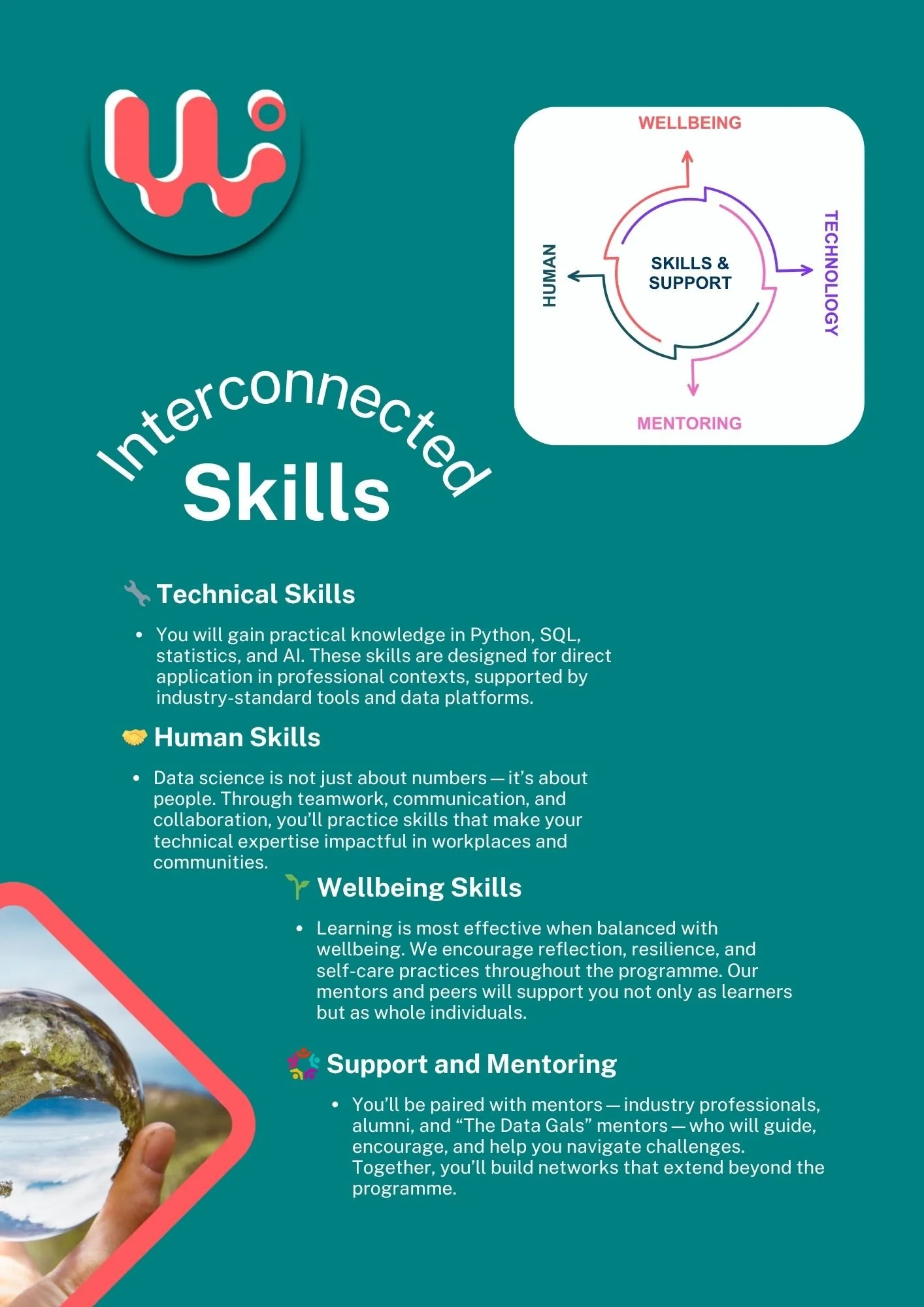
Interconnected Skills as part of the Learner Joueny Planner
The 2025/26 offering: “Women & Future Skills Dundee 2025” — targeted at women in postcodes DD1–DD7 (Dundee, Scotland), who have a background in data or a relevant degree. They might be unemployed, underemployed, working part-time, returning to work, or looking to grow their career. Participants must commit to the schedule: Saturday sessions, evening sessions, self-paced content and engagement with peers, tutors and mentors.
Why this matters for you (and for learning broadly)
Future-proofing skills: The focus on data, AI, technological literacy and also human skills like flexibility and curiosity means this programme is designed to build resilience in a changing job market.
Holistic + human-centred: Integrating wellbeing, mentorship, community projects means it doesn’t treat people as “skills to fill a job” but as whole learners.
Accessibility & flexibility: Remote delivery and flexible scheduling make it more accessible — especially relevant for people balancing multiple responsibilities or living in remote areas in Scotland.
Social impact embedded: By aligning with global goals (SDGs etc.), it gives an extra dimension of purpose beyond just landing a job — learning for “good”.
Some reflections & tip-pointers
If you’re thinking of applying for future programmes: check eligibility (in this case for the Dundee pilot it’s geographic and background-specific).
Consider your availability: ensure you can commit to regular workshops + peer interaction + self-paced study.
Think about your “why”: because programmes like these are not just about ticking boxes, but about growth — you’ll get more out of it if you’re ready to engage and reflect.
Look beyond technical skills: The “Skills for Good” approach emphasises mindset, community, wellbeing. Be ready to engage with those aspects too (e.g., the mention of “sound healing” as part of wellbeing in their programme).
Final thoughts
The first in the series of the “Skills for Good” initiative - Women and Future Skills by NomadAlba, Code Division and The Data Gals offers a compelling model of up-skilling and re-skilling for today’s world — one that is flexible, grounded in human needs and global challenges, and aimed at real careers as well as purpose.
Whether you’re in Scotland and eligible for their programme, or simply inspired by the model, it’s a reminder that learning for the future needs to integrate technical proficiency, human skills, and meaningful context.
Get in touch with us if what you have learned here inspires you.